
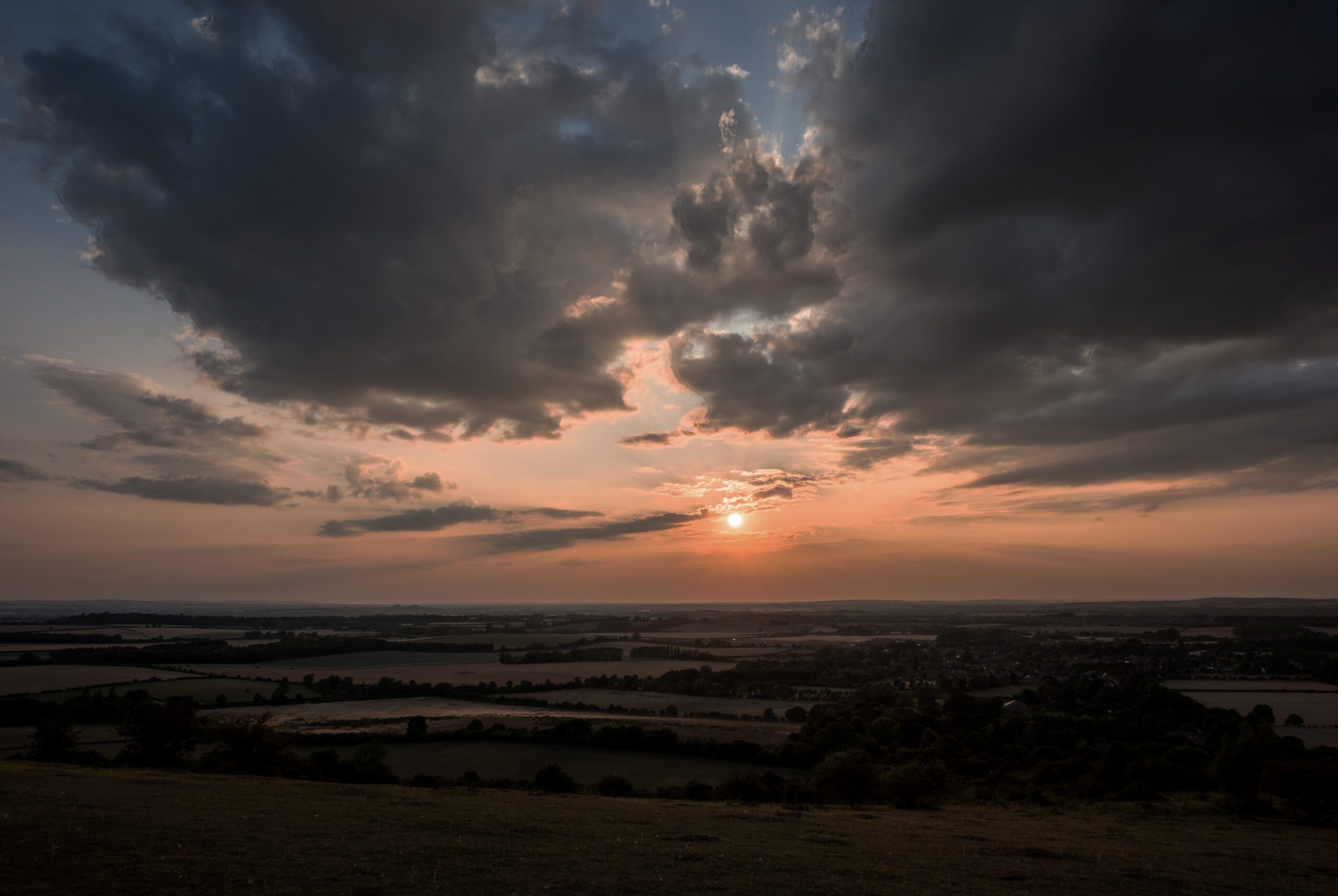
Written in 1951, Dylan Thomas’ “Do Not Go Gentle Into That Good Night” is one of the most frequently requested poems on the BBC’s radio programme, Poetry Please. Most likely you will be familiar with it, and if not all of it, certainly its refrain: “Rage, rage, against the dying of the light”.
It’s often chosen at funerals, especially where the deceased was perhaps noted for their fighting spirit in the face of death.
I know this better than most. My own world of work spans life changes in coaching and the concerns of people perhaps trapped in unrelenting and unsatisfying jobs, alongside my work as a funeral celebrant helping families deal with death. This intersection of ‘what am I doing with my life’ with ‘what kind of a life did they lead’ provokes, in me at least, a sense of urgency.
So, when FT journalist Sarah O’Connor chose the poem to foreground The Twilight Zone, Chapter 2 of her recently published and brilliant book We Are Not Machines: The Fight for the Future of Work, I understood the reference. It is aptly chosen, at least for what she sets up as a significant concern: that progressive automation is not only de-skilling people, it is making us less human.
The reference to light stems from the rapid changes in the way warehouses (think Amazon) and factories, and the increasingly isolated world of monotonous work of homeworkers, requires (or even desires) human beings not to have to think autonomously. We are becoming automata, and in time, these environments won’t even need to have the lights on. Maybe just the glow of the screen.
Sarah’s book opens with the plight of drudge work, and the increasing loneliness and anxiety that comes with being perpetually measured, in what she calls ‘shrinking horizons’. The book is, however, not all gloom, and she finds encouraging examples of hope in a new age.
Hope is needed. I recently gave a workshop for finance leaders in the independent education sector. Feedback wasn’t glowing. It was OK, but people didn’t appear to leave the room feeling enlightened. In that sector right now, when there are many schools facing the dying of the light, what people are looking for is answers, not introspection. And there’s the tension: I believe in pausing to ask the bigger questions, yet when the fire is at the door, reflection can feel like a luxury people can’t afford. Perhaps it’s exactly then that they can’t afford not to.
We’re seeing and hearing this shape of change everywhere: the high watermark of young people as NEETs (Not in Education, Employment or Training), the conversations with people in the knowledge economy unsettled by how easily great swathes of their ‘value add’ is being eroded and surpassed by machines. The light is dimming in more rooms than we like to admit.
So where does the light come back in? I happened across another coach recently. Lianne Mellor, who brings together their love and affinity for gardening and the natural world with helping people navigate change. You can read more about their work and ideas here: https://thecoachinggarden.substack.com/
That connectedness to nature helps to ground people (excuse the pun), and as a keen gardener and plot holder among the local allotment community myself, there is a richness and optimism to this way of thinking. Something for me to reflect on, too, as an approach.
It seems to me, and this applies to just about all things, being able to differentiate the ‘should’ that is imposed on us from the ‘could’ we choose for ourselves, to pause long enough to ask the bigger questions (introspection if you like), and to make an active choice not to be controlled, then these are the deeper philosophical questions. When dealing with inertia, gardeners have the edge: optimism is an active choice, despite the droughts and deluges. We tend things back towards the light.